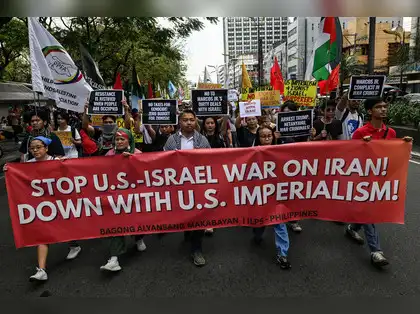
In recent years, protests have become a defining feature of democratic societies, serving as a powerful tool for citizens to express dissent and demand change. The right to protest is enshrined in democratic principles, allowing individuals to voice their opinions and influence policy decisions. However, this essential democratic right carries the responsibility to maintain peace and respect the societal structures that uphold democracy itself.
While the act of protesting is protected, the methods employed can sometimes blur the line between lawful demonstration and disruptive behavior. When protests escalate to the point of obstructing governmental and institutional functions, they risk undermining the very democratic ideals they aim to defend. Striking a balance between civil disobedience and maintaining order is crucial for ensuring that protests remain effective without compromising national stability.
As societies grapple with complex issues, the politics of protests continue to evolve, reflecting broader tensions between individual freedoms and collective responsibilities. Policymakers and citizens alike are challenged to navigate these dynamics thoughtfully, ensuring that the right to protest is preserved while safeguarding the integrity of institutional platforms. The ongoing dialogue between protesters and authorities is vital in shaping a democracy that is both responsive and resilient.
— Authored by Next24 Live







 English (US)