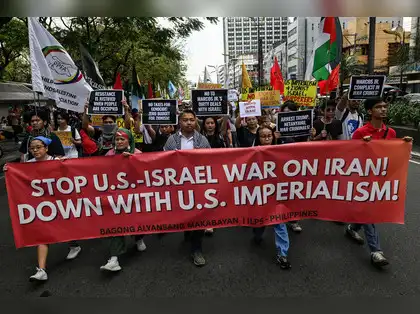
Iran has been engulfed by one of the most intense waves of nationwide protests in decades, fueled by economic discontent and political frustration. These demonstrations, sparked by widespread grievances over inflation, unemployment, and government corruption, have not only challenged the domestic status quo but have also caught the attention of neighboring countries. The unrest has underscored the Iranian public's growing disillusionment with the current regime, prompting a reevaluation of Tehran's internal and external policies.
In the broader Middle East, Iran's turmoil is reshaping regional dynamics as Gulf states closely monitor the situation. Countries like Saudi Arabia and the United Arab Emirates, historically wary of Iran's influence, see the unrest as both a potential opportunity and a challenge. While some Gulf leaders hope for a weakened Iranian government that might reduce its regional interventions, there is also concern about instability spilling over and affecting the delicate balance of power in the region.
As the protests continue, Iran's relationships with its neighbors could undergo significant changes. The Gulf states might recalibrate their diplomatic strategies, balancing between cautious engagement and strategic isolation of Tehran. This evolving landscape could lead to new alliances and shifts in Middle Eastern politics, affecting everything from energy markets to security agreements. Ultimately, Iran's internal unrest is proving to be a catalyst for potential transformation across the entire region.
— Authored by Next24 Live






 English (US)