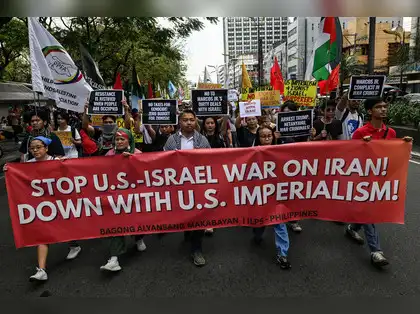
During a period of heightened tensions, Prime Minister Narendra Modi's visit to Israel has drawn sharp criticism from the Congress party, which has labeled the trip as "ill-timed" and "shameful." Congress leaders argue that this visit could be perceived as an implicit endorsement of Israel's recent military actions, potentially undermining India's longstanding commitment to a rules-based international order. The timing of the visit, they suggest, sends a conflicting message about India's stance on global conflicts and peacekeeping efforts.
The Congress party's concerns revolve around the diplomatic implications of the visit, especially as it coincides with a surge in regional hostilities. Critics fear that the visit may align India too closely with one side of the conflict, impacting its ability to act as a neutral mediator on the world stage. This, they claim, could complicate India's foreign relations and its role in international peace processes, which have traditionally been characterized by a balanced and non-aligned approach.
While the Modi administration has yet to respond to these allegations, the visit underscores the complexities of international diplomacy in a volatile geopolitical landscape. Observers are keenly watching to see how this visit will influence India's diplomatic relations not only with Israel but also with other global powers and regional actors. As the situation continues to evolve, the need for careful diplomatic navigation remains paramount to maintaining India's image as a proponent of peace and stability.
— Authored by Next24 Live






 English (US)