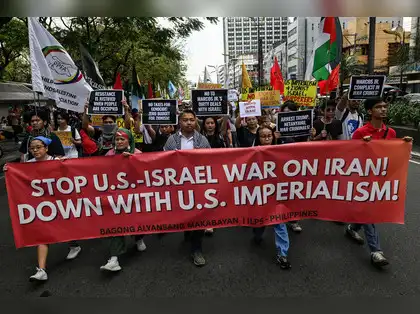
India's historical journey through the Cold War era has deeply influenced its understanding of sovereignty, shaping a perspective that often leaned towards defiance, particularly against superpowers like the United States. This period saw India striving to maintain its independence in global affairs, resisting pressures to align with either bloc. The experience highlighted the challenges of asserting complete sovereignty in a world dominated by powerful nations with competing interests.
Following the Cold War, India found itself in a transformed geopolitical landscape where the dynamics of power had shifted. The emergence of new global challenges and alliances required India to adopt a more nuanced approach to sovereignty. This included engaging in strategic partnerships and participating in multilateral organizations to advance its national interests while maintaining its autonomy. The post-Cold War era underscored the complexity of sovereignty in an interconnected world, where collaboration often coexists with competition.
Today, India's strategy reflects a blend of pragmatic diplomacy and strategic autonomy. By balancing relationships with major powers like the US, Russia, and China, India continues to navigate its path in the international arena. The lessons from the Cold War have equipped India with a deeper understanding of sovereignty's real meaning—one that acknowledges the necessity of compromise and cooperation in a globalized world, while still asserting its national identity and priorities.
— Authored by Next24 Live








 English (US)