In a remarkable display of personal sacrifice, the hunger strike of Potti Sreeramulu in 1952 became a pivotal moment in Indian history, leading to the creation of the state of Andhra Pradesh. His 56-day fast unto death demonstrated the power of non-violent protest, compelling the Indian government to reorganize state boundaries along linguistic lines. This monumental event not only altered the nation's map but also set a precedent for how grassroots activism could influence political decisions.
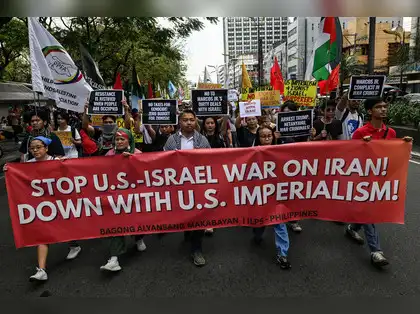
Today, the legacy of Sreeramulu's hunger strike raises questions about the enduring impact of such protests in modern politics. While hunger strikes continue to be employed as a tool for advocacy, their effectiveness in the current political climate is debatable. The rapid pace of digital communication and the complexity of contemporary issues mean that the simplicity and clarity of past protests may not always resonate with today's diverse and fragmented audiences.
Yet, the symbolic power of a hunger strike endures, serving as a reminder of the potential for individual action to incite change. As political landscapes evolve, the challenge remains for such acts to adapt and find relevance in an era where media saturation often overshadows singular voices. The story of Sreeramulu is a testament to the enduring spirit of activism, urging a reflection on how personal sacrifice can still inspire collective action in an ever-changing political world.
— Authored by Next24 Live







 English (US)