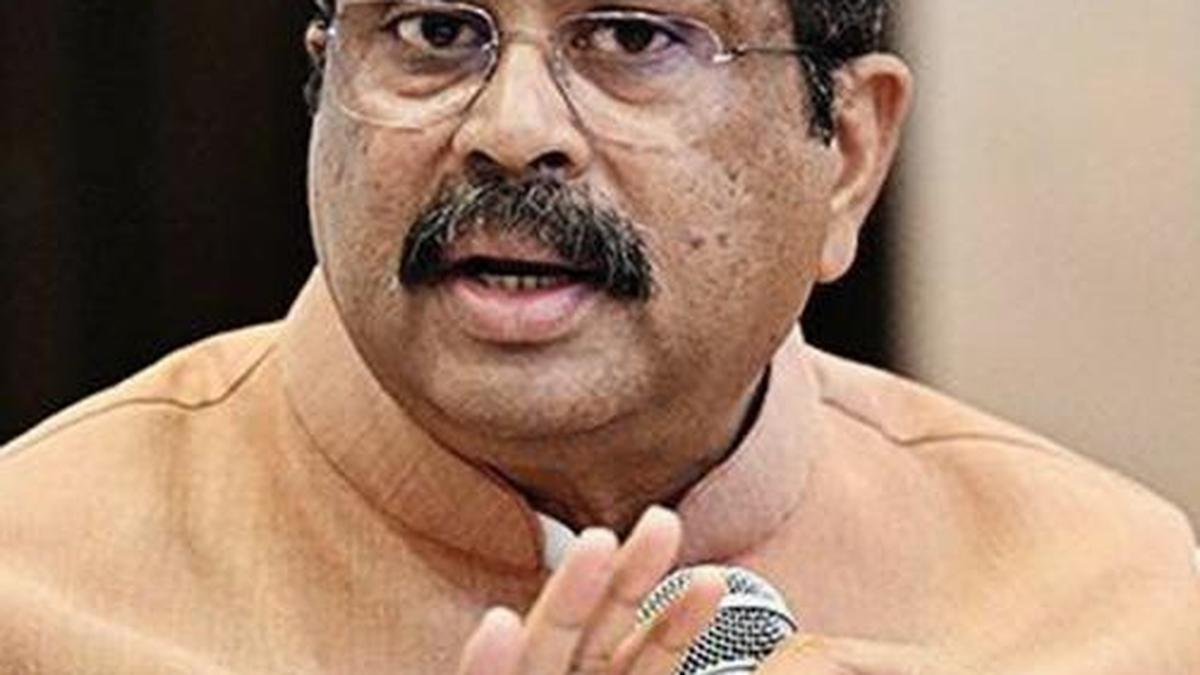
The Congress party has launched a scathing critique of the government's recent appointment of Pralhad Joshi as the new Education Minister, citing his Rashtriya Swayamsevak Sangh (RSS) background as his primary qualification. Party spokespersons argue that Joshi's lack of direct experience in the education sector raises concerns about his ability to navigate the complexities of India's educational landscape. This appointment, they claim, underscores the government's ongoing pattern of prioritizing ideological alignment over expertise in key ministerial roles.
In response, government officials have defended Joshi's appointment, highlighting his extensive political career and previous ministerial experience as evidence of his capability to lead the education ministry effectively. They assert that his leadership skills and commitment to national values align with the government's vision for educational reform. The officials further emphasize the importance of a minister who can integrate cultural ethos with modern educational demands, suggesting that Joshi's background will serve as an asset rather than a liability.
The debate over Joshi's appointment has ignited broader discussions about the role of ideology in government appointments and the criteria used to select leaders for critical positions. As the new academic year approaches, stakeholders in the education sector are keenly observing how Joshi will address pressing issues such as curriculum reform, digital education, and equitable access. The outcome of his tenure could significantly impact the future direction of India's educational policies and priorities.
— Authored by Next24 Live



.webp)





 English (US)