In a groundbreaking environmental effort, China has transformed parts of its arid deserts into thriving carbon sinks. By employing innovative afforestation techniques and planting drought-resistant vegetation, these areas now actively absorb significant amounts of CO2, contributing positively to the global fight against climate change. This ambitious project highlights China's commitment to sustainable practices and offers a potential model for other nations grappling with desertification.
Meanwhile, an intriguing archaeological discovery in Scandinavia has shed light on Viking Age medical practices. Researchers have unearthed the grave of an unusually tall individual who appears to have undergone a form of brain surgery. The findings, including a skull with a carefully drilled hole, suggest that ancient Norse societies possessed rudimentary yet advanced medical knowledge, challenging previous assumptions about their capabilities.
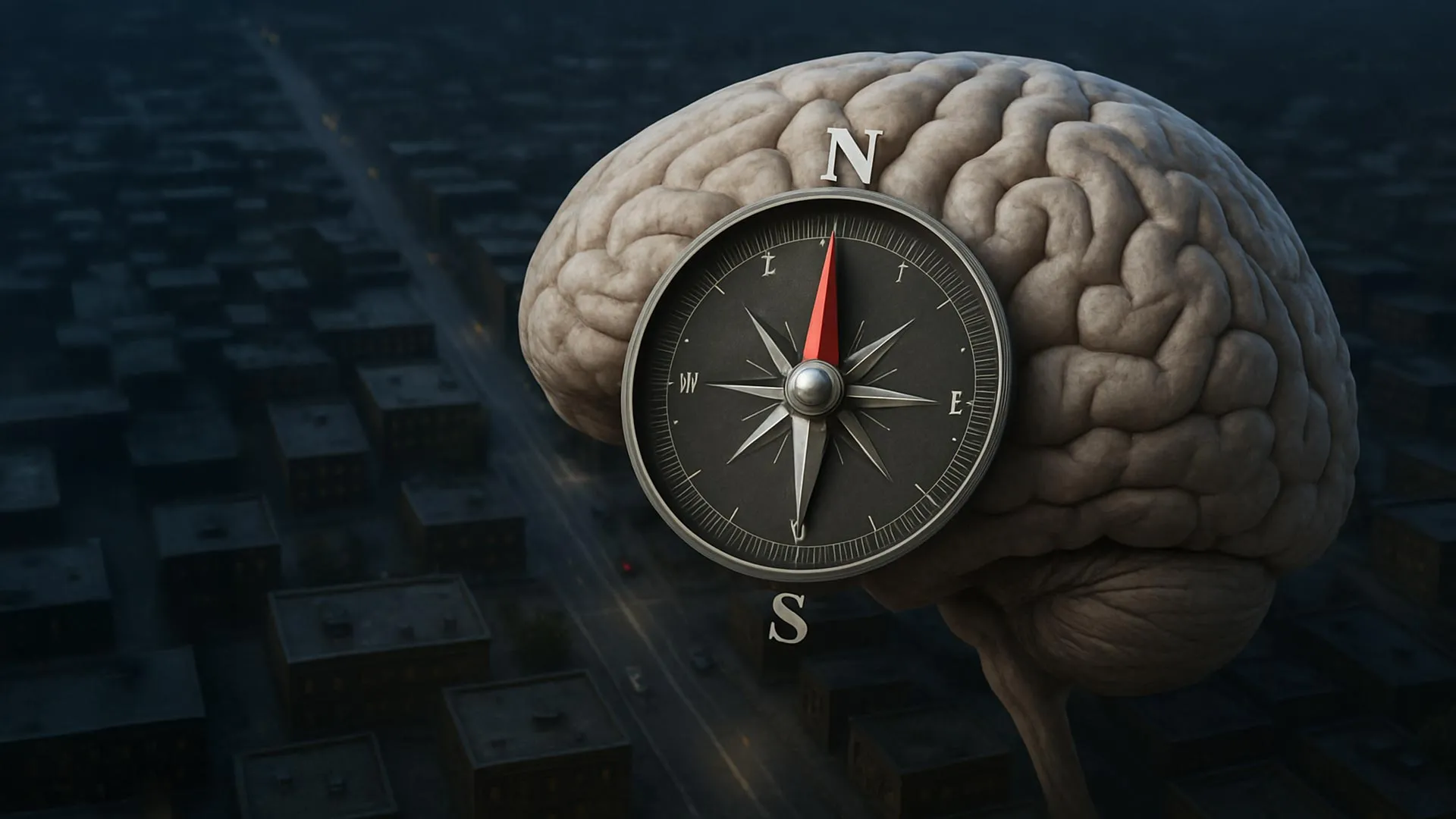
In other news, scientists have made strides in understanding the complexities of the human mind, drawing comparisons to the concept of "inception." Through advanced neuroimaging and cognitive studies, researchers are exploring how external stimuli can influence dreams and subconscious thought patterns. Lastly, nature presents a unique Valentine's gift idea: the discovery of a new plant species with heart-shaped leaves, offering a perfect blend of romance and biodiversity appreciation.
— Authored by Next24 Live









 English (US)