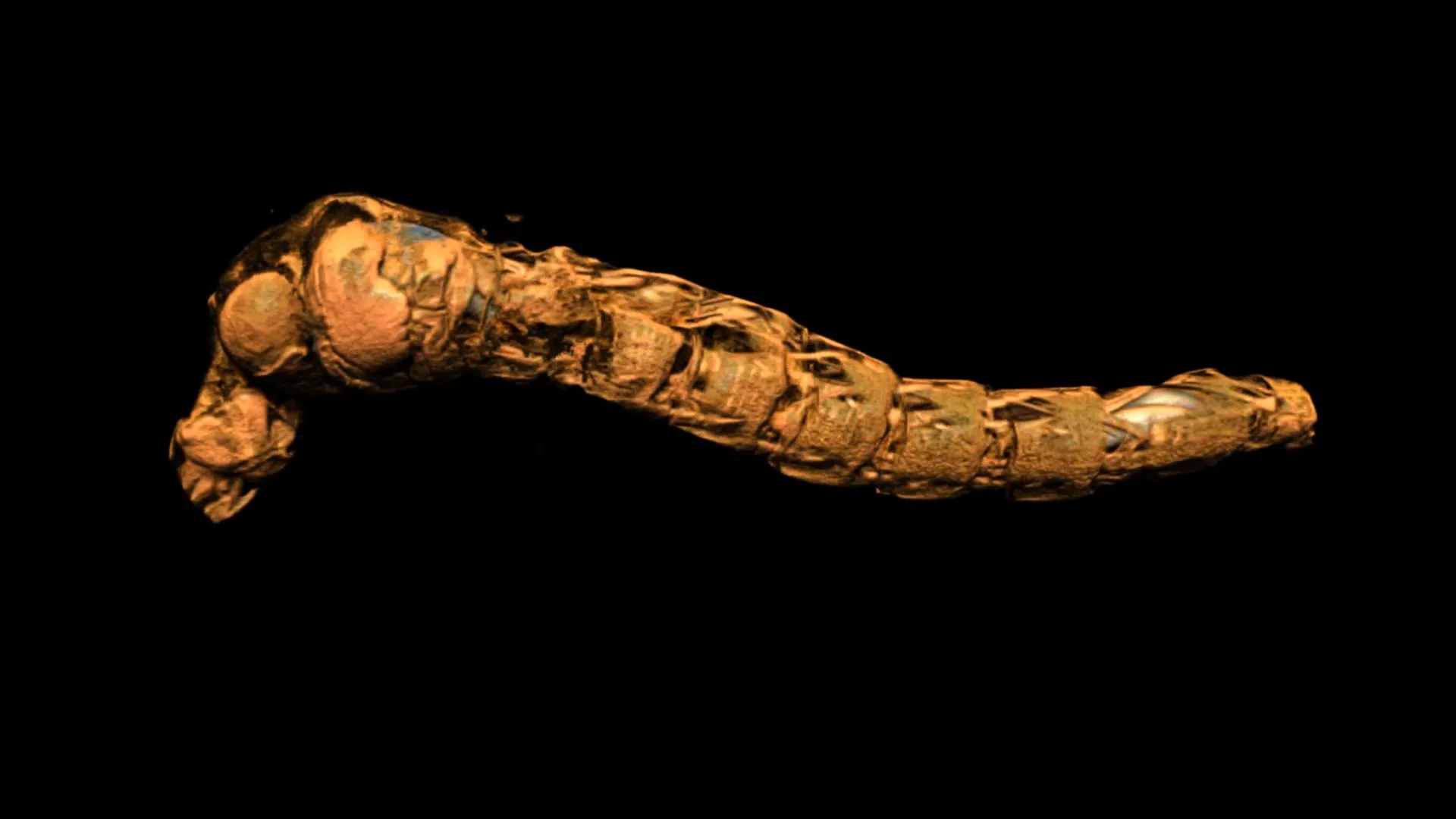
Recent findings from the La Brea Tar Pits have unveiled fascinating yet tragic insights into the lives of saber-toothed cats. Researchers have discovered that the remains of these magnificent predators exhibit deformed vertebrae and rare tumors. These physical anomalies provide compelling evidence of genetic issues that could have contributed to their eventual extinction.
The study suggests that these deformities may have been the result of inbreeding, a common consequence when a population becomes isolated and lacks genetic diversity. As the environment changed, saber-toothed cats likely faced dwindling numbers and reduced habitats, forcing them into closer proximity and limiting their breeding options. This genetic bottleneck would have made it difficult for the species to adapt to new challenges.
While these findings paint a somber picture of the saber-toothed cats' decline, they also offer valuable lessons for understanding the vulnerabilities of modern species facing similar pressures. The study underscores the importance of maintaining genetic diversity in wildlife populations to ensure their resilience against environmental changes. As we continue to explore the past, these ancient cats remind us of the delicate balance required for species survival.
— Authored by Next24 Live









 English (US)