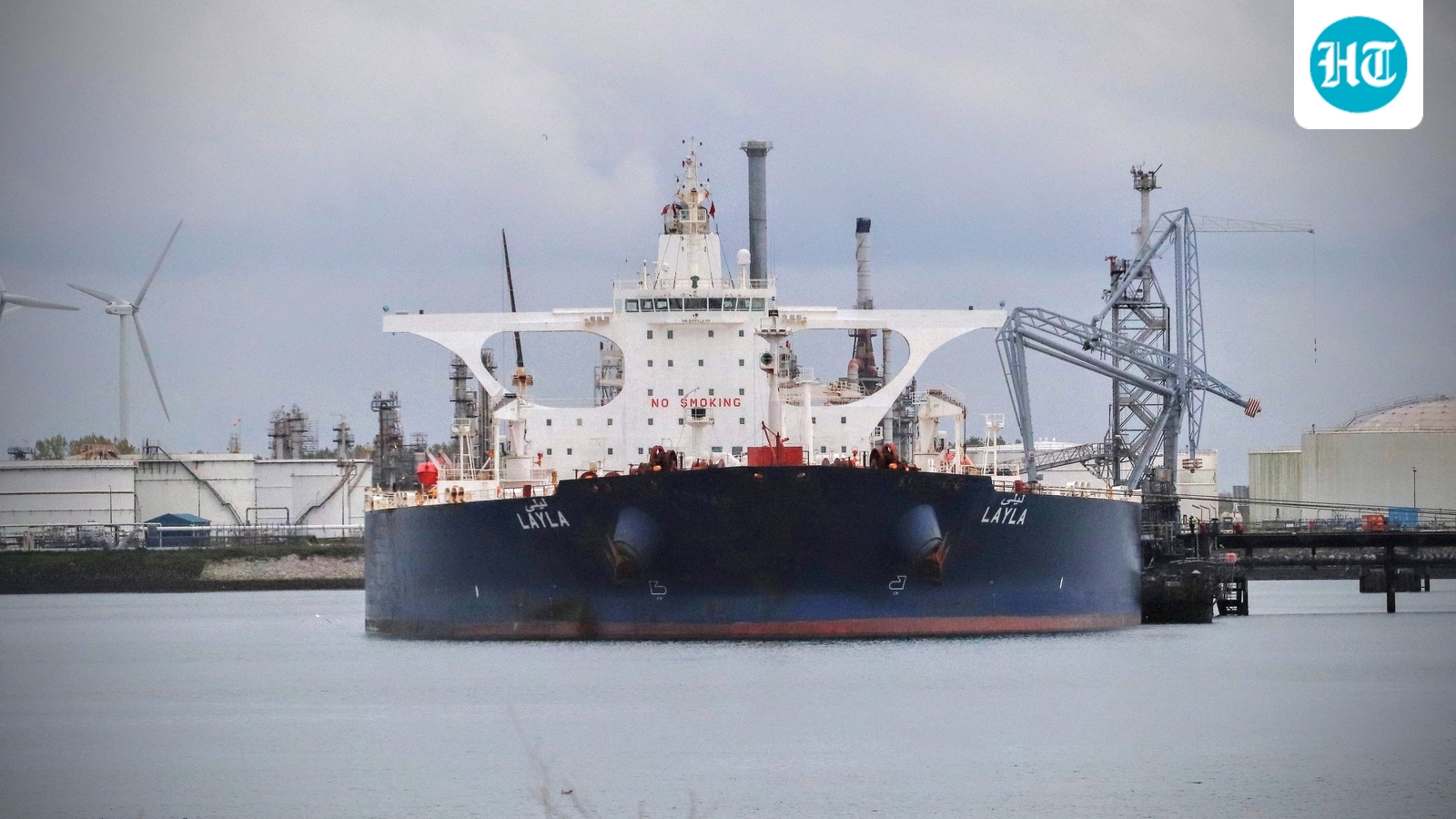
The Strait of Hormuz, a narrow passage that connects the Persian Gulf to the Arabian Sea, serves as a critical artery for global oil transportation. Approximately 20% of the world's petroleum passes through this 50-kilometer-wide channel, making it a vital geopolitical asset. Its strategic significance is underscored by Iran's ability to influence global oil markets and shipping routes, often using the strait as leverage in international negotiations.
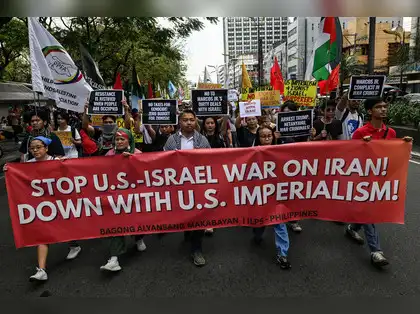
Tensions in the region have escalated following recent airstrikes conducted by the United States and Israel on Iranian targets. These military actions have heightened concerns over potential disruptions in the strait, which could have far-reaching implications for global energy prices. Iran's control over this crucial waterway allows it to wield significant influence, particularly during periods of heightened geopolitical conflict.
In this context, the Strait of Hormuz remains a focal point of international diplomacy and security. As the US and its allies navigate complex relations with Iran, the stability of this maritime corridor is of paramount importance. The delicate balance of power in the region continues to evolve, with the strait at the heart of discussions surrounding energy security and geopolitical strategy.
— Authored by Next24 Live









 English (US)