Donald Trump's animosity towards Iran can be traced back to a pivotal moment in 1980, during the Iran hostage crisis. This event, which saw 52 American diplomats and citizens held captive for 444 days, left a deep scar on the American psyche. For Trump, then a rising figure in the business world, it represented a personal and national humiliation. The crisis unfolded against a backdrop of global tension, and the U.S.'s inability to swiftly resolve it became a symbol of diminished power, something Trump has always vowed to counteract.
Throughout his presidency, Trump's policies towards Iran were marked by a relentless drive to undo what he perceived as years of American weakness. His decision to withdraw from the Iran nuclear deal in 2018 was a testament to this mindset. Trump viewed the agreement as a flawed compromise, one that failed to address Iran's missile program and regional influence. By reimposing sanctions, he sought not only to curb Iran's nuclear ambitions but also to reassert U.S. dominance on the world stage, aligning with his "America First" doctrine.
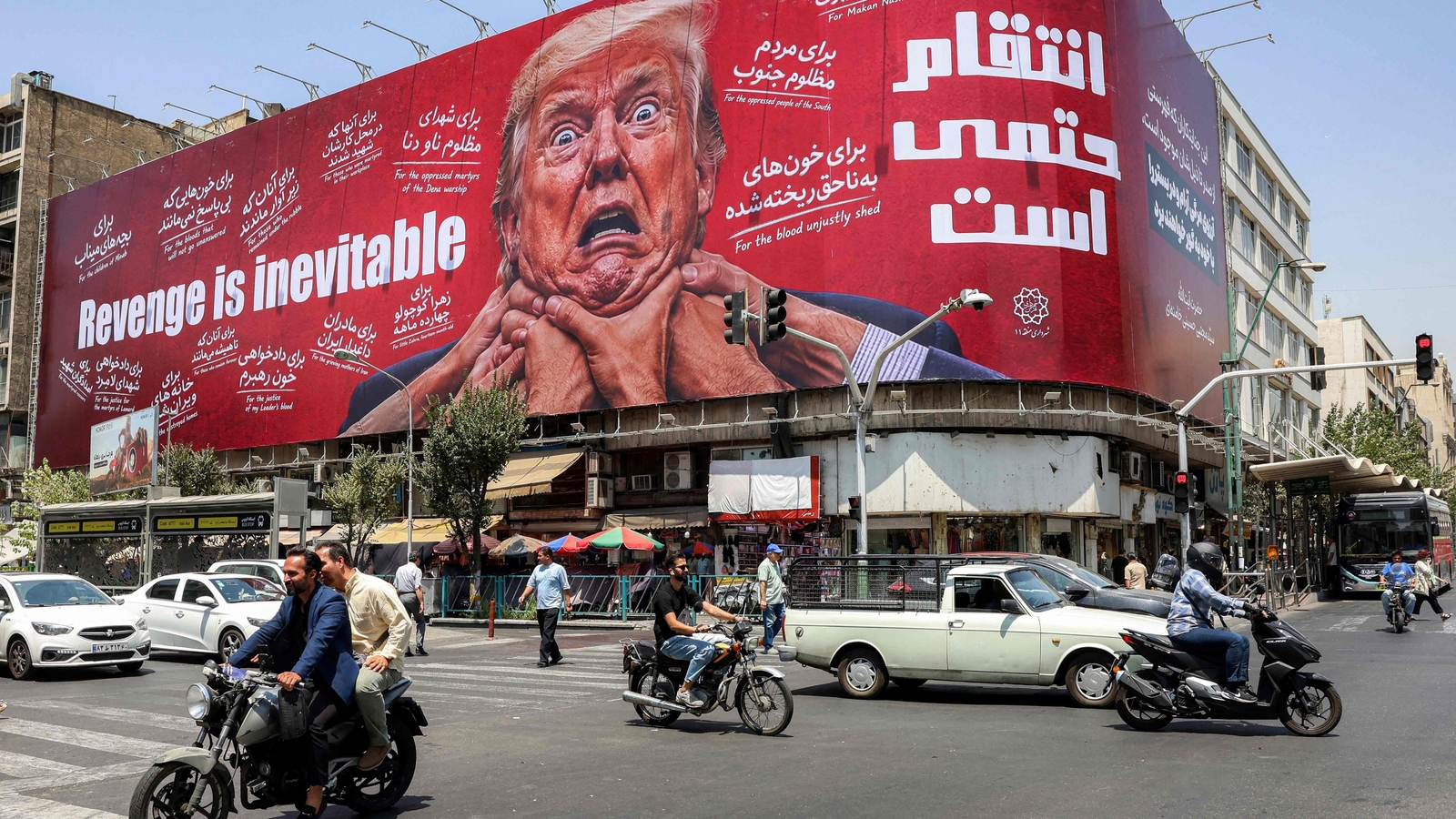
The legacy of these actions continues to influence U.S.-Iran relations today. Trump's tenure saw increased tensions, with both nations engaging in a series of retaliatory measures. Critics argue that his approach exacerbated hostilities, while supporters claim it brought much-needed pressure on Iran. As the geopolitical landscape evolves, Trump's enduring impact on U.S. foreign policy toward Iran remains a topic of debate, reflecting the complexities of a relationship fraught with historical grievances and strategic challenges.
— Authored by Next24 Live






 English (US)