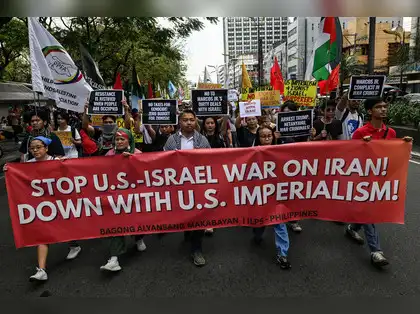
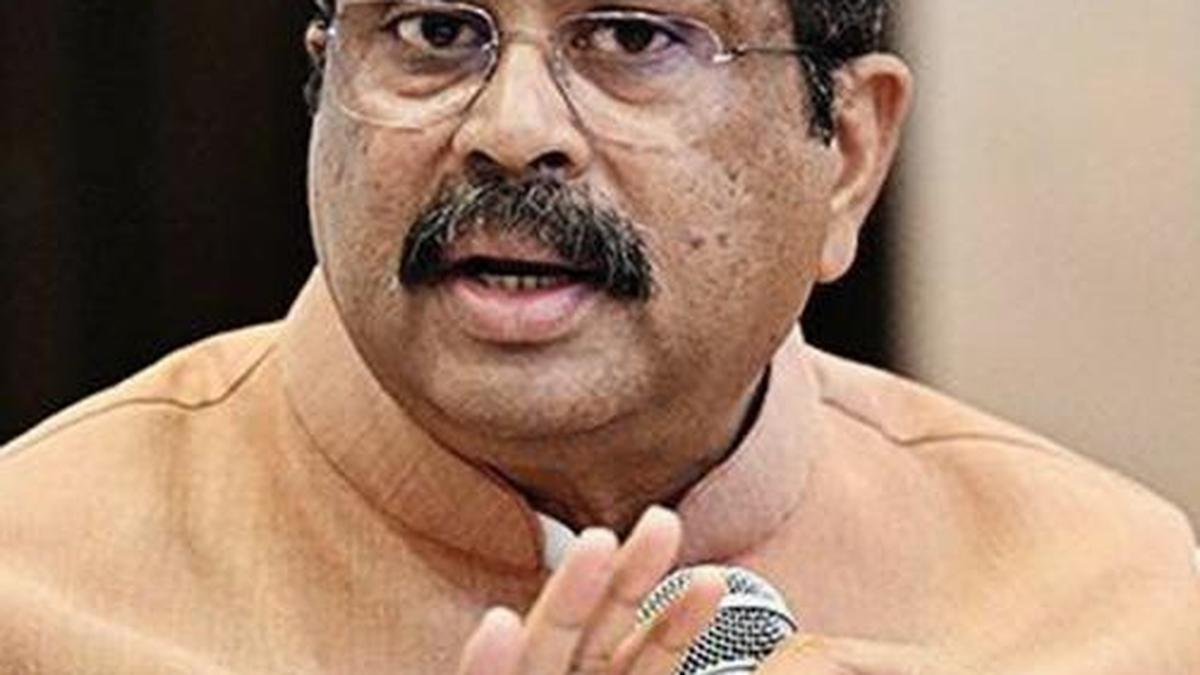
Unease is growing within the Bharatiya Janata Party (BJP) and its allies following the government's firm response to recent protests demanding Union Education Minister Dharmendra Pradhan's resignation. The demonstrations, centered around grievances with the National Eligibility cum Entrance Test (NEET), saw a significant turnout during Monday's march. Protesters argued that the current system is inequitable and urged for immediate reforms, leading to heightened tensions between demonstrators and law enforcement.
The government's crackdown on these protestors has sparked concern among BJP members and their allies, who fear that such actions may alienate the party's support base. Critics within the coalition argue that addressing the demonstrators' demands through dialogue rather than force could be a more effective strategy for resolving the unrest. This internal friction highlights the delicate balancing act the government faces in maintaining order while also acknowledging public sentiment.
In response to the mounting pressure, the government has signaled a willingness to engage in outreach efforts, aiming to bridge the gap between officials and disgruntled citizens. This initiative is seen as a move to quell dissatisfaction and prevent further escalation of protests. As the situation unfolds, stakeholders within the BJP and its allied parties continue to weigh the implications of the government's approach, emphasizing the need for a resolution that aligns with both political and public interests.
— Authored by Next24 Live







 English (US)