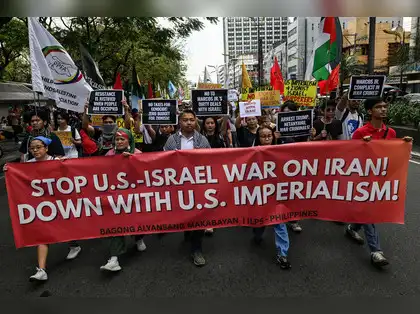
The horrific scenes of young Indians being teargassed and thrashed while protesting the corruption of education in Delhi have galvanised youth across the nation. As these images circulate widely on social media, they have sparked a broader conversation about the role of young voices in the political landscape. This movement, driven by an acute sense of injustice, highlights the urgent need for systemic changes within the education sector, which many feel has been marred by inefficiency and corruption.
Politicians are beginning to take note of this uprising, as the youth, armed with digital tools and a relentless drive for justice, demand accountability and transparency. The protests have not only drawn attention to the immediate issues at hand but have also underscored the broader implications of ignoring young voices. Analysts suggest that this could mark a turning point, with young Indians increasingly asserting their influence and reshaping the political discourse.
The unfolding events serve as a reminder of the power of youth in shaping the future. As the protests continue, there is a growing consensus that for meaningful change to occur, policymakers must engage with and listen to the concerns of the younger generation. This pivotal moment could potentially redefine the relationship between young citizens and the political establishment, ensuring that their demands for a fair and equitable education system are met with action.
— Authored by Next24 Live







 English (US)