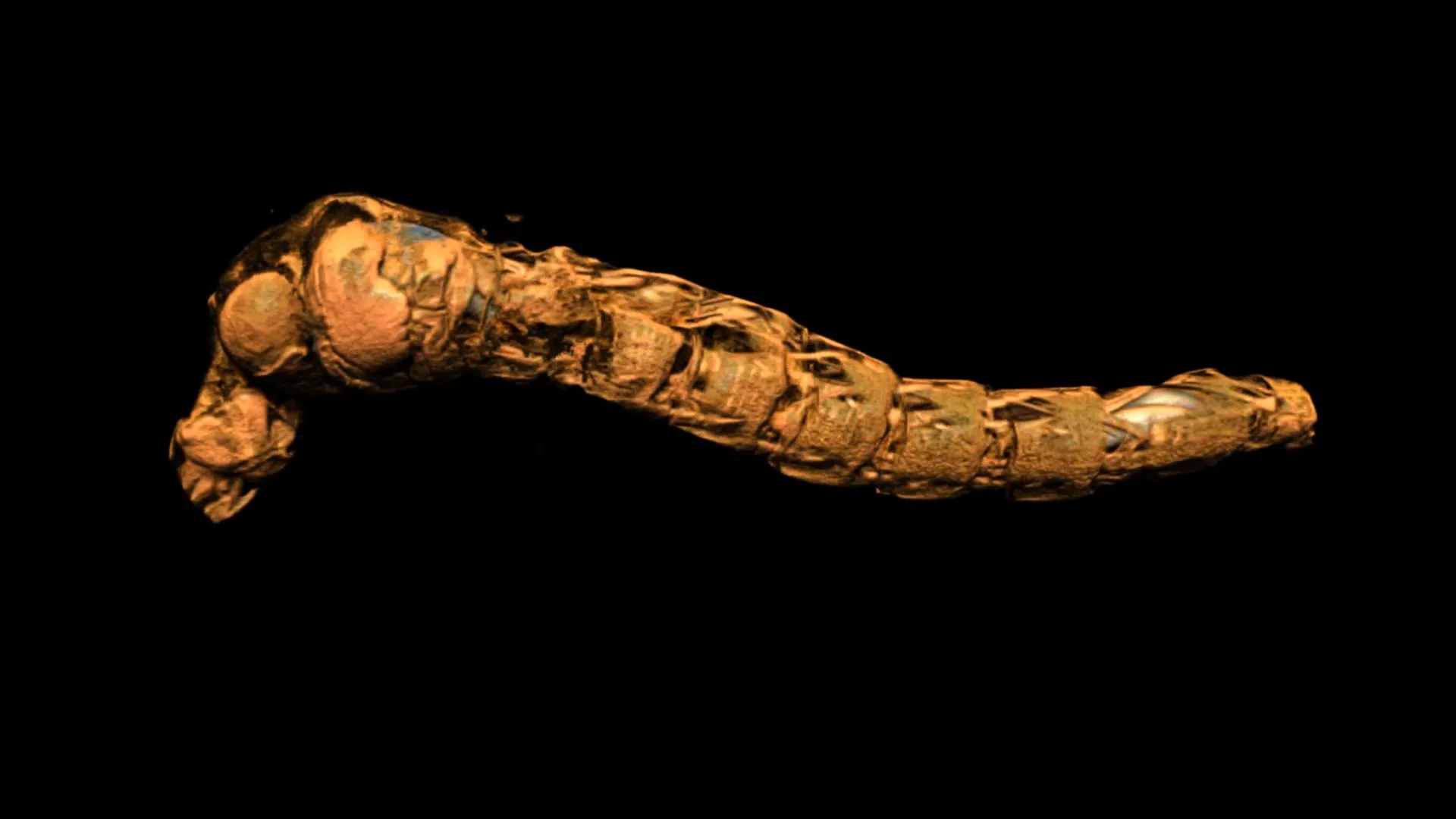
In a groundbreaking study, scientists have traced the evolution of human eyes back to a tiny one-eyed organism that existed nearly 600 million years ago. This ancient "cyclops" is believed to be a crucial ancestor for all vertebrates, providing insights into how complex visual systems developed over time. The findings suggest that the sophisticated structures of modern eyes may have originated from this simple, singular ocular organ.
The research, conducted by an international team of evolutionary biologists, involved extensive genetic analysis and fossil evidence to piece together the evolutionary lineage of vertebrate eyes. By examining genetic markers and developmental patterns, the team uncovered striking similarities between the eye structures of this primordial creature and those of contemporary vertebrates. This discovery challenges previous assumptions about the evolutionary process, highlighting the remarkable continuity and adaptation that have occurred over millions of years.
These revelations not only deepen our understanding of human evolution but also open up new avenues for studying eye-related diseases and disorders. By tracing the lineage of eye development, scientists hope to unravel the genetic factors contributing to various conditions, potentially leading to more effective treatments. As research continues, this ancient "cyclops" may hold the key to unlocking further mysteries of our evolutionary past and the intricate biology of sight.
— Authored by Next24 Live









 English (US)